Sample text
-
+86 15258636915


Understanding Earthing Systems: Why Proper Grounding Is Critical for Electrical Safety
how it works, and why choosing high-quality grounding materials is essential..
What Is an Earthing System?
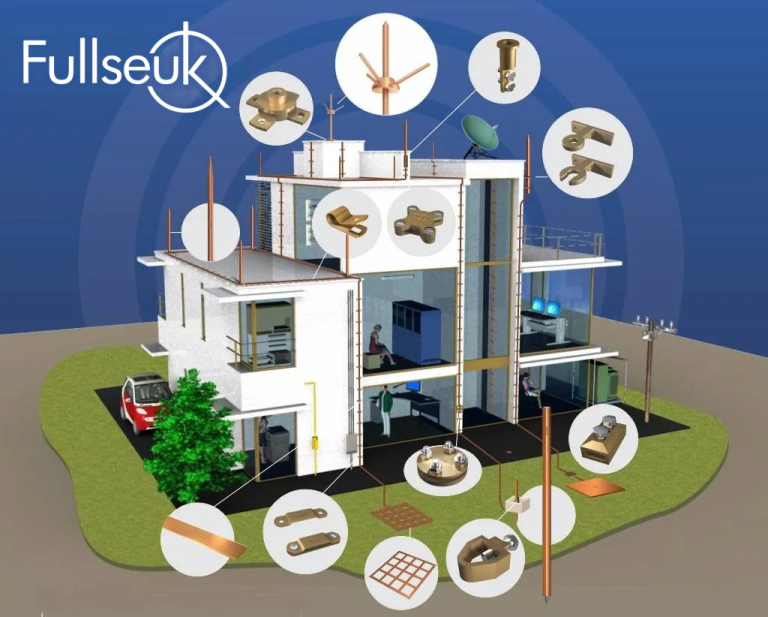
An earthing system is a network of conductors and grounding electrodes that connects electrical equipment to the earth. Its primary purpose is to provide a low-resistance path for fault currents or lightning energy to flow safely into the ground.
Key components include:
Ground rods or earth electrodes
Copper conductors or earthing tapes
Grounding clamps and connectors
Earth enhancement materials
Inspection pits and test points
Why Proper Earthing Is Important
Protects Human Life
Fault currents can cause electrical shock or fire hazards. Proper grounding ensures these currents are safely dispersed.
Prevents Equipment Damage
Voltage surges and unstable currents can destroy sensitive equipment such as computers, control panels, and communication systems.
Improves System Stability
A reliable earthing system stabilizes voltage by maintaining reference potential, improving overall electrical performance.
Helps Lightning Protection Systems Work Efficiently
A lightning protection system cannot function effectively without a strong earthing foundation.
Common Mistakes in Grounding Installation
Using poor-quality ground rods
Insufficient earthing depth
Improper connections
High resistance soil not treated with enhancement materials
Conclusion
A well-designed and properly installed earthing system is not optional — it is essential. Choosing certified, corrosion-resistant, and high-performance grounding materials like Fullseuk ground rods ensures long-term safety and compliance with international standards.